Daily Number Match
- 4.7
- Rating
- 10.00M
- Installs
- Free
- Price
 Analysis by App-foxy
Daily Number Match is the kind of puzzle game I can open without preparing myself for a long session. Its basic idea is easy to understand: work with numbers, make useful matches, and clear the board. That simplicity is exactly why it feels inviting during the first few days, especially when I want a quiet distraction rather than a story, competition, or complicated rulebook.
After spending time with it, though, my main question is not whether it is pleasant at first. It is whether the routine remains satisfying once the novelty wears off. My answer is fairly positive, with an important qualification: this is best treated as a small daily habit, not as a complete replacement for deeper puzzle games. It is free to start, suitable for Everyone, and made by Game Maker Ltd., but its long-term value depends on whether you enjoy repeating a focused number-solving rhythm.
From an easy first session to a repeatable habit
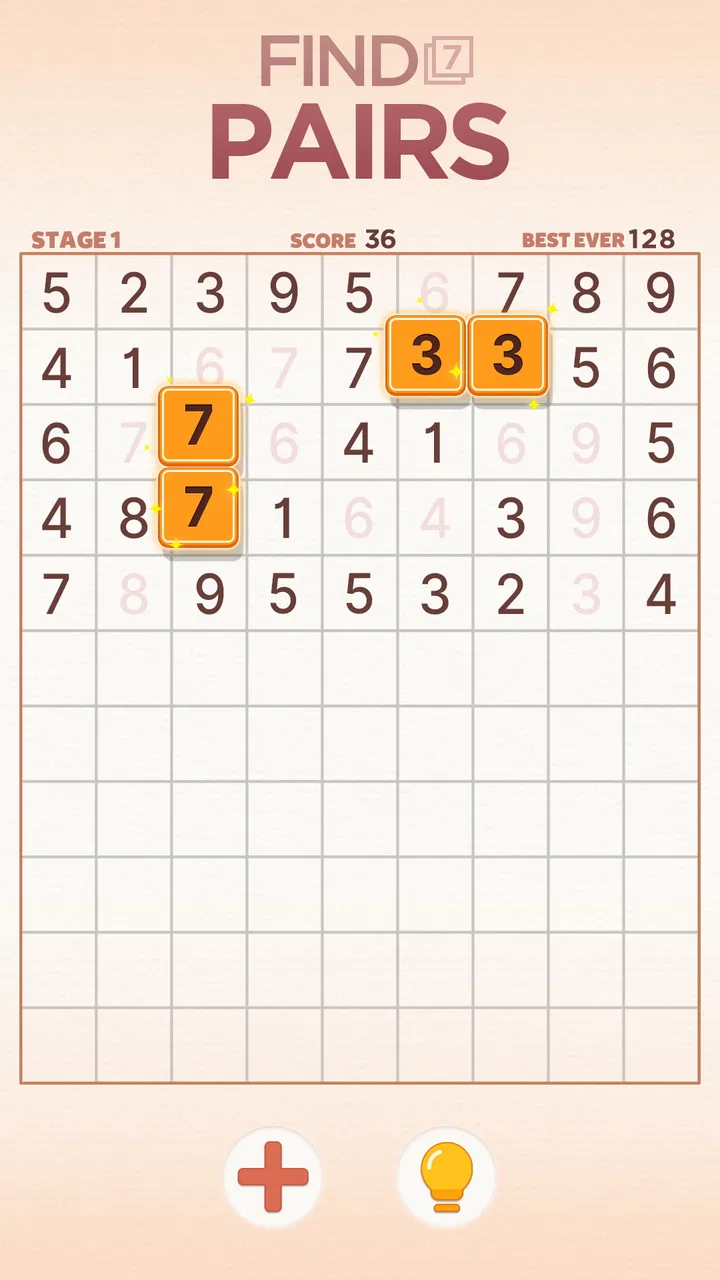
The opening appeal comes from the low barrier to entry. You do not need to learn a large collection of symbols or understand a complicated fictional setting. The board gives you a visual problem, and the goal is to find number relationships that help remove it. That makes the first session feel approachable even if you normally avoid puzzle games.
You May Also Like

 Blood Strike: 2.5 Anniversary
Blood Strike’s Loadouts Turn Every Drop Into a Tactical Gamble
A close look at Blood Strike’s custom loadouts: how fast access to signature weapons reshapes its battle royale rhythm, rewards preparation, and narrows the gap between fights.

 Pandora - Music & Podcasts
Pandora’s Music Is Easy to Start, but Harder to Recover
Pandora’s strength is its low-effort path from a seed to a station. Its weak spot is how much confidence it asks you to place in connection, setup, and quiet recovery.

 8 Ball Pool
 Is Built on Rivalries, Rematches, and Routine
A close look at the rivalries, rematches, shared routines, and unanswered safety questions that turn a quick pool match into a persistent mobile community.

 Samsung Music
’s Quiet Strength Is Playing What You Already Own
Its reach comes less from spectacle than from dependable access to a personal library. That simplicity is both the app’s strongest retention engine and its ceiling.

 AccuWeather: Weather Radar
AccuWeather Review: A Quick, Clear Forecast for Everyday Decisions
For everyday plans, the best forecast is the one you can understand quickly. AccuWeather makes rain timing, radar, and local conditions easy to act on, with a few trade-offs.

 Hill Climb Racing
Why Hill Climb Racing Still Turns Crashes Into One More Run
A tiny car, a bumpy hill and one more upgrade: Hill Climb Racing keeps resurfacing because its simple chaos makes every near-miss feel personal.
More From Our News Desk



I particularly like this structure for short breaks. A quick round can fit between errands, during a commute, or while waiting for an appointment. It does not demand the emotional attention of a competitive game, and it does not ask me to remember a plot from one session to the next. I can put it down and return later without feeling lost.
The first week is also helped by the clear identity of the game. Daily Number Match is not trying to be a general entertainment hub. It focuses on number matching and board clearing, so the mental task stays recognizable. That focus is useful when I want something more active than scrolling but less demanding than a long strategy session.
Its presentation as a daily-style puzzle gives the experience a natural rhythm. I can approach it as a small piece of mental exercise, play when I have a few spare minutes, and stop before the session becomes tiring. That sense of a manageable routine is more important than flashy content here. The game works best when I let it occupy a small space in the day instead of expecting it to fill an entire evening.
What makes the opening sessions work
The strongest early habit is to scan before making the first move. Rather than immediately selecting the most obvious pair, I look across the available numbers and consider which match opens the most useful area. This small pause changes the game from simple tapping into a light planning exercise. It is one of the first signs that the board rewards attention, even though the rules remain accessible.
A second useful approach is to avoid treating every available match as equally valuable. Clearing one pair may be convenient, but it can also leave an awkward arrangement that limits the next choices. I get better results when I think one move ahead and ask what the board will look like after the numbers disappear. That habit gives the early game more depth than the short store summary suggests.
For someone deciding whether to install it, the practical question is how much repetition they enjoy. If you like pattern recognition, gradual board clearing, and small decisions, the first week should feel comfortable. If you need a changing story, elaborate levels, or a constant stream of new mechanics, the initial simplicity may feel thin very quickly.
The game has reached a broad audience, with a 4.7 average from around 54 thousand ratings and over 10 million installs. Those figures suggest that its straightforward format connects with many players, but they do not remove the personal test: a popular minimalist puzzle can still be the wrong fit if you need variety in every session.
Why the first week can feel more rewarding than expected
One reason the game holds my attention at the beginning is that it turns a familiar concept into a small decision loop. I am not merely searching for a pair and moving on. I am watching the board change, checking whether a cleared space creates new options, and deciding whether a safe move is better than a more ambitious one. That loop is simple, but it gives each short visit a clear purpose.
I also find it useful as a transition activity. Playing for a few minutes after work can help me shift attention without committing to a large game. The numbers provide enough structure to occupy my mind, while the absence of a heavy narrative means I can stop whenever I need to. This is a realistic strength for people who want a small break rather than a hobby that takes over their schedule.
Still, I would not describe the opening as endlessly surprising. The appeal comes from refinement of the same central task, not from a dramatic sequence of discoveries. Players should know that before starting: the satisfaction is in solving the board cleanly, not in unlocking a completely different game every day.
Does it earn space after the novelty fades?
The month-to-month question is more demanding. A puzzle can be enjoyable for a week and still fail as a lasting habit if every session feels interchangeable. Daily Number Match has a reasonable chance of staying useful for players who appreciate a predictable mental warm-up, but I see its recurring value as dependent on self-imposed variety.
My best long-term results come from changing how I approach each board. On some days I focus on finishing efficiently. On others I slow down and look for a sequence that keeps more options available. I sometimes play when I am fresh and sometimes use it as a gentle wind-down. These changes do not alter the core rules, but they stop the routine from becoming completely automatic.
A practical monthly workflow is to keep sessions short and intentional. I would rather complete one thoughtful board than continue playing after my attention has dropped. Once I begin selecting matches without scanning, the game loses much of its mental value and starts to feel like a repetitive task. Stopping at that point is not a failure; it is a way to protect the habit from turning into background tapping.
This is also where the game compares differently with other puzzle alternatives. A match-three title usually emphasizes cascades, visual effects, and rapid chains. A word puzzle asks for language recall. A sudoku-style game rewards deduction across a fixed grid. Daily Number Match sits closer to the quick pattern-search side of the category, with less setup than sudoku and less spectacle than a match-three game. I would choose it when I want number-focused attention without the pressure of a timer or the visual noise of a highly animated puzzle.
On the other hand, a richer logic game is likely a better choice if you want layered rules, carefully designed difficulty curves, or a strong feeling of progression. Daily Number Match earns recurring space through convenience and repeatability, not through a large world to explore. That distinction matters after the first month.
Three ways to keep the routine from becoming automatic
First, I recommend treating the board as a planning problem rather than a reflex test. Before selecting anything, identify the matches that could expose the most useful next area. This makes the opening move meaningful and reduces the feeling that you are simply removing whatever happens to be visible.
Second, use a “one move ahead” rule when the board becomes crowded. I check the likely result of a match before committing, especially when clearing one area could separate or restrict the remaining numbers. This is a small discipline, but it gives the game a stronger strategic texture and helps prevent careless dead ends.
Third, separate play styles across different visits. A fast session is fine when I need a break, while a slower session works better when I want concentration. Mixing those purposes helps preserve the game’s usefulness. If every session is played at the same speed and with the same goal, the central mechanic can become familiar enough to feel flat.
These are not hidden modes or complicated techniques. They are ways of using the existing board more thoughtfully. That is important because the game’s long-term maintenance comes from the player’s approach rather than from a large collection of systems that constantly renew themselves.
Where fatigue begins
The main source of fatigue is repetition without a personal objective. Number matching is easy to understand, but that also means the core action can become predictable. If I open the game only to clear numbers as quickly as possible, the experience eventually loses its texture. The same accessibility that makes it welcoming can limit its staying power for players who want continuous escalation.
Another possible friction point is the gap between a daily habit and a longer play session. The format feels naturally suited to brief visits. When I try to stretch it into extended play, the simplicity becomes more noticeable, and I start wishing for a broader range of puzzle structures. I would not recommend it as the only game on a long trip unless you already know that repeated number boards are enough for you.
There is also a difference between calm focus and mental challenge. Some players will find the game pleasantly relaxing, while others may consider it too gentle once they understand the matching flow. Neither reaction is wrong. The right choice depends on whether you want a reliable low-pressure puzzle or a demanding test that keeps introducing new layers.
The free price makes trying it easy, but optional purchases range from $2.99 to $7.99 per item. I would make the decision to spend carefully and only after deciding whether the basic routine has earned a place in my day. A purchase should support a game I already enjoy, not be used to solve the problem of boredom with the core loop.
Everyday usefulness and who should skip it
For a realistic example, imagine having ten quiet minutes before picking someone up. A large adventure game may be inconvenient because it asks you to remember a goal, while a competitive puzzle may create more pressure than you want. This game fits that gap well: I can focus on the board, stop when the time is up, and return later without needing to reconstruct a story.
It can also work for players who want a gentle way to practice visual attention. I would not present it as formal training, but scanning the board, comparing numbers, and anticipating the result of a move do encourage deliberate observation. That makes it a better fit for a calm break than for someone looking for fast reactions or social competition.
I would skip it if your ideal puzzle game depends on deep deduction, narrative discovery, multiplayer rivalry, or constant mechanical change. I would also skip it if you dislike repeating a central action even when the board arrangement changes. In those cases, a dedicated logic title, a word game, or a more varied match-based game will probably provide stronger lasting value.
Practical details before installing
Daily Number Match is a free puzzle game for Everyone, and the current version is 1.0.41. It runs on Android 6.0 or later, which makes it accessible on a wide range of devices. The game was released on February 4, 2024, so anyone installing it now is joining a product with an established audience rather than trying an obscure experiment.
The developer is Game Maker Ltd., and the large install base makes the game easy to find among casual number puzzles. I would still approach the download with the same expectation I bring to any focused minimalist title: install it for the matching routine, not because the audience size guarantees that it will suit my taste.
One question many people have is whether it is suitable for occasional play. In my experience, yes. The rules are simple enough that a few days away do not create a steep relearning curve. That makes it more forgiving than games built around a large collection of abilities or story objectives.
Another question is whether it works better as a morning activity or an evening one. I find both can work, but the purpose changes. In the morning, the scanning and planning feel like a compact mental warm-up. At night, the same quiet structure can be a softer alternative to more stimulating games. The best time is the one that keeps sessions deliberate rather than automatic.
Players may also wonder whether they need to spend money to understand the appeal. I would begin with the free experience and judge the basic loop on its own. If the board-clearing process does not feel satisfying without extras, spending will not change the underlying preference. If it does become part of your routine, then you can decide whether an optional item is worthwhile without rushing into it.
My long-term verdict
After the novelty fades, Daily Number Match remains worthwhile as a compact, repeatable puzzle rather than as an all-purpose game. Its lasting strength is maintenance: it is easy to pick up, easy to pause, and simple to fit around an ordinary day. I value that more than I expected because many mobile games ask for more time and attention than I actually have.
Its weakness is the same feature that makes it accessible. The central number-matching loop may not provide enough variation for players who need constant novelty. The game does not replace a deeper logic challenge, a story-driven adventure, or a socially competitive puzzle. It earns its place when you want a focused board-clearing ritual and are comfortable creating variety through your own pace and strategy.
My recommendation is therefore specific: try it if you want a calm daily puzzle that can fill short gaps without demanding a long commitment. Give it several sessions, then ask whether you are still making deliberate choices or merely tapping through familiar patterns. If the former is true, it has probably earned a small permanent space on your device. If the latter arrives quickly, moving to a more varied puzzle will be the better use of your time.
My final take: this is a polished-feeling choice for players who enjoy numbers, visual scanning, and modest daily routines. I would recommend it to a friend who wants a free, low-pressure puzzle, while warning them not to expect endless novelty. Its real value is not in making every session spectacular; it is in being ready whenever I want a few minutes of structured concentration.
FAQs for Daily Number Match
01What is Daily Number Match and how does it work?
Daily Number Match is a puzzle game designed to challenge your number-matching skills. Players are presented with a grid of numbers and must connect matching numbers horizontally, vertically, or diagonally to clear them from the board. The objective is to clear as many numbers as possible to achieve a high score.
02Is Daily Number Match free to download and play?
Yes, Daily Number Match is free to download and play on both Android and iOS platforms. While the core gameplay is free, there are optional in-app purchases available. These can enhance your gaming experience by providing additional features or power-ups, but they are not necessary to enjoy the game.
03Are there any in-app advertisements in Daily Number Match?
Daily Number Match does include in-app advertisements to support its free model. Ads may appear between levels or during gameplay. However, users have the option to remove ads by making a one-time purchase within the app, which can lead to a smoother gaming experience.
04Can I play Daily Number Match offline?
Yes, Daily Number Match can be played offline. This makes it a great option for those who want to enjoy the game without needing an internet connection. However, certain features, such as leaderboards and in-app purchases, may require an internet connection to function properly.
05Does Daily Number Match offer any accessibility features?
Daily Number Match includes several accessibility features to enhance gameplay for all users. This includes adjustable difficulty levels, color-blind mode, and customizable controls. These features ensure that the game is accessible to players with different needs and preferences, making it more inclusive.
Pros
- Engaging puzzles improve focus.
- Simple interface with easy navigation.
- Daily challenges keep users returning.
- Offline play available for convenience.
- Customizable difficulty levels.
Cons
- Limited themes for personalization.
- Can become repetitive over time.
- Ads can interrupt gameplay occasionally.
- In-app purchases for advanced features.
- No multiplayer or social features.

Daily Number Match
Gallery